Discovering the Timeless Art of Coir Making in Madampella, Katana, Sri Lanka
Published on Nov 08, 2025
Coir — the golden-brown fiber extracted from the husk of the coconut — is more than just a product here. It’s a symbol of the island’s resourcefulness, creativity, and connection to nature. In Madampella, this age-old craft continues to thrive, offering travelers a rare opportunity to witness an authentic Sri Lankan tradition that beautifully blends history, culture, and sustainable living.
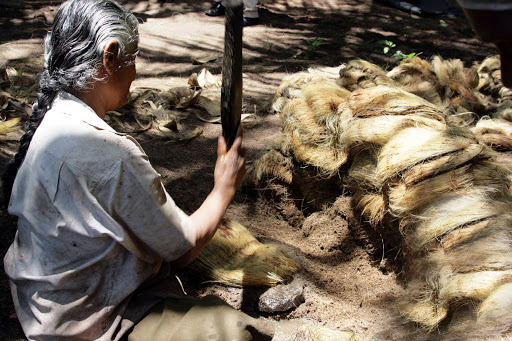
Coir Industry in Sri Lanka
As a tour guide exploring the heart of Sri Lanka’s rural industries, one of the most fascinating places I love introducing to my guests is Madampella in Katana — a quiet village where time seems to move to the rhythm of spinning wheels and the rustle of coconut husks. Here, generations of families have dedicated their lives to one of Sri Lanka’s oldest and most sustainable crafts: the coir industry.
A Legacy Rooted in the Southern Coast
The story of Sri Lanka’s coir industry dates back centuries, beginning along the southern coastal belt — particularly in areas like Balapitiya, Ambalangoda, and Matara. In those early days, local craftsmen discovered that the strong husk of the coconut could be turned into a durable fiber when treated properly. The husks were soaked for weeks in the salty backwaters and lagoons of the southern coast. This traditional “retting” process softened the fibers, making them easier to extract, spin, and weave.
The result was astonishing: a natural fiber so strong and resilient that it was once used to tame elephants, to make ropes for ships, and even to craft nets for fishing communities. This was Sri Lankan ingenuity at its finest — transforming a simple coconut byproduct into a powerful, sustainable material that served both man and nature.
From the Coast to the Coconut Heartland
Over time, as the industry expanded, coir production spread inland to coconut-rich regions like Katana, where Madampella became a thriving hub for small-scale coir producers. Today, the same practices are carried on with pride, though with a touch of modern techniques and artistry.
Visitors who step into a coir workshop in Madampella are instantly captivated by the sight of brown coloured village women, wearing traditional Sri Lankan attires, skillfully spinning fibers into twine using traditional handwheels. The sound of spinning threads mingles with laughter and conversation, creating a rhythm that feels as natural as the rustling palms above.
From these humble fibers, artisans create a range of eco-friendly products — from coir ropes and brushes to doormats, mattresses, and garden planters that are exported worldwide, despite being born in my motherland Sri Lanka. Watching this process unfold is both educational and inspiring, a reminder that true craftsmanship lies in patience, skill, and harmony with nature.
The Beauty of Sustainable Living
One of the most remarkable aspects of the coir industry in Madampella is its deep respect for the environment. Every part of the coconut is used — from the husk to the shell and even the dust. Nothing is wasted. This sustainable approach has supported village livelihoods for generations while keeping Sri Lanka’s coconut-based economy alive and eco-friendly.
When I take visitors here, they are often amazed not only by the craftsmanship but also by the sense of community. Families work together, passing down their knowledge through the years. It’s a simple yet fulfilling way of life — one that reminds us of the beauty in living close to nature and making use of what it offers with care and gratitude.
An Invitation to Experience Authentic Sri Lankan Heritage
If you’re planning a Sri Lanka cultural or eco-tour, I wholeheartedly recommend visiting Madampella, Katana. Here, you can see coir making up close, try spinning the fibers yourself, and even purchase handmade products directly from the artisans. It’s an experience that connects you not just to a craft, but to a heritage — one that has stood strong like the coir ropes that once tamed elephants and held ships steady in the ocean’s might.
So, come and witness the living tradition of the Sri Lankan coir industry — a story woven from coconut fibers, salt water, and the unwavering spirit of the people who keep it alive. In the quiet hum of Madampella’s coir spinners, you’ll hear the echo of a nation that still finds strength, beauty, and purpose in its roots.
"Greetings from Nishantha Dissanayake, your Sri Lankan Tourguide from Smile and Drive Tours."