Discovering the Creamy Heritage of Tissamaharama Curd – Sri Lanka’s Authentic Dairy Delight
Published on Oct 25, 2025
As a tour guide traveling across the sun-drenched plains of southern Sri Lanka, one of my favorite stops is the peaceful agricultural town of Tissamaharama, fondly known as “Tissa” , here in Sri Lanka. While many visitors come here to explore the ancient stupas and nearby Yala National Park, there’s another hidden gem that often surprises travelers — the famous Tissamaharama curd, a creamy, tangy delicacy that represents centuries of Sri Lankan tradition.
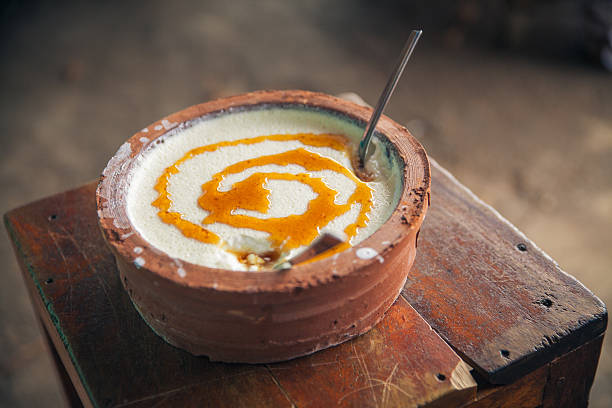
Curd with Kithul Treacle
The Story Behind Sri Lanka’s Beloved Curd
In Sri Lanka, curd isn’t just a dessert — it’s a way of life. Locally called “Meekiri”, this traditional yogurt is made from the rich milk of water buffaloes that roam freely across the lush fields and lakesides of Tissamaharama. The region’s unique combination of fertile soil, clean water from a multitude of lakes, greener lush grass as feed and the gentle heat of the southern sun gives its buffalo milk an unmatched flavor and a rich creaminess, making Tissamaharama the heart of Sri Lanka’s curd industry.
You’ll often see our brown skinned fellow villagers with their genuine, yet proud, welcoming demeanour, sitting in small roadside huts selling earthen pots filled with thick, golden-topped curd, each one a proud product of generations of skill and care. The process has hardly changed for centuries — and that’s what makes it so special and authentically Sri Lankan.
The Art of Making Authentic Tissamaharama Curd
Watching local curd makers at work is an experience I always love to offer my guests, especially those who seek to connect with the authentic culture and timeless traditions of my blessed motherland, Sri Lanka.
In the early hours of the morning, dairy farmers in Tissamaharama rise before sunrise and make their way to the cow sheds to check on their prized herds of buffaloes. Their day begins with gentle words and affectionate gestures towards the buffaloes — a quiet ritual of gratitude to the animals that sustain their families and livelihoods.
This beautiful Sri Lankan tradition of giving thanks — to every source of help, whether living or non-living — has been passed down through generations. It reflects the deep respect our people hold for Mother Nature and all her gifts. Even today, in these distant southern villages, you can still see that same genuine humility and kindness in the way villagers live in harmony with their environment. Life here is simple yet meaningful — minimalistic, organic, and rooted in gratitude.
After washing and tending to the buffaloes, the farmers begin the curd-making process. Fresh buffalo milk is collected at dawn, gently boiled to remove excess water, and then cooled to the perfect temperature. A small spoon of curd culture — a natural starter rich in beneficial lactic acid bacteria — is added, and the mixture is carefully poured into traditional clay pots.
These pots aren’t just for tradition — they play a crucial role. The porous clay absorbs excess moisture and allows slow fermentation, giving the curd its rich, velvety texture and slightly tangy flavor. The pots are then covered with coconut husks and left overnight in the warm southern air. By morning, the milk has transformed into a smooth, thick, golden curd ready to be savored.
The result? A wholesome dairy product that’s both creamy and slightly firm, with a flavor that lingers long after your first spoonful. Locals often pair it with kithul treacle — a golden syrup made from the sap of the fishtail palm — creating a balance of sweet and sour that’s absolutely irresistible.
More Than Just Food – A Cultural Experience
The Tissamaharama curd industry is deeply connected to the lives of local families. Many have been making curd for generations, passing down their skills from parent to child. Everytime I visit one of these small family-run dairies with my guests, the experience gives us a glimpse into Sri Lanka’s rural life — where simplicity, patience, and natural methods still define daily living.
When I bring visitors from all over the world here, they’re often amazed at how something so simple can taste so divine. I can personally vouch for the fact that, sitting by the roadside under a tamarind tree, savoring a bowl of cool, fresh buffalo curd with sweet golden kithul treacle after a long day of exploring Yala or Kataragama, is an experience that stays with you.
Why You Should Taste Tissamaharama Curd
If you’re planning a Sri Lanka food tour or looking to explore the island’s authentic local experiences, don’t miss Tissamaharama. Unlike factory-made yogurt, Tissamaharama buffalo curd is 100% natural — free from preservatives and full of probiotics that are great for digestion.
In Tissamaharama, Sri Lanka, traditional methods are still used to assess the quality of curd, reflecting generations of local expertise. One of the most trusted tests is checking whether the curd remains firm when the clay pot is turned upside down—a high-quality curd will not spill or break apart. Its texture should be smooth, dense, and slightly glossy, indicating proper fermentation and the right balance of buffalo milk. The aroma is mild and fresh, never sour or watery. These simple yet reliable practices help ensure that Tissamaharama curd maintains its well-known reputation for purity and exceptional taste.
You can enjoy it plain, drizzle it with treacle, or even use it as a base for tropical fruit desserts. Many eco-lodges and homestays in the region now offer curd-making demonstrations, allowing you to try your hand at crafting your own pot of creamy goodness.
A Taste You’ll Never Forget
What makes Sri Lankan curd so special isn’t just its flavor — it’s the story behind it. It’s the patience of the buffalo herders, the craftsmanship of the potters, and the dedication of families who still believe that the best things in life should take time.
So, when you visit the south of Sri Lanka, take a short detour from your safari or temple tour and head to Tissamaharama’s curd stalls. Ask for a fresh clay pot, break the seal, and take your first spoonful. You’ll taste not just curd — but centuries of tradition, sunshine, and the famous Sri Lankan warm hospitality in every bite.
"Greetings from Nishantha Dissanayake, your Sri Lankan Tourguide from Smile and Drive Tours."